


jiliace | The Ever-Evolving World of Strategy Games
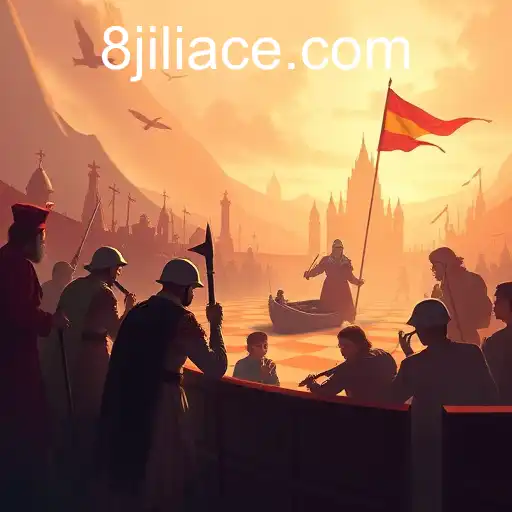
Strategy games have long been a staple of interactive entertainment, drawing players into worlds where intellect, planning, and cunning play crucial roles in achieving victory. The appeal of strategy games lies in their ability to challenge a player's mental acuity, requiring not just quick reflexes but also careful consideration of resources, timing, and tactics. With "jiliace" as a popular keyword associated with online strategy game searches, it is evident that there is a growing interest in the intricate dynamics these games offer.
From classic board games like chess to modern digital experiences like 'Civilization' or 'StarCraft', strategy games come in many forms, yet they all share the core element of decision-making. Players must evaluate the available options and foresee the consequences of their moves. This analytical process is not only engaging but also rewarding, as strategy games often provide a sense of accomplishment and mastery as players hone their skills.
In recent years, the genre has expanded exponentially, catering to a wide array of preferences. Real-time strategy (RTS) games challenge players to think on their feet, managing resources and units at a breakneck pace. Turn-based strategy (TBS) games, on the other hand, allow for more deliberate thought, letting players ponder multiple possibilities before making a move.
A particularly interesting development within the strategy genre is the incorporation of multiplayer elements. Games like 'League of Legends' and 'Dota 2' have not only garnered massive player bases but have also helped to popularize esports. These games require teams to work together, each player taking on specific roles, strategizing in real-time, and adapting to opponents' tactics.
Moreover, indie developers have significantly contributed to the diversity in strategy games. Indie titles often explore unique themes or innovative mechanics that challenge traditional genre boundaries, providing fresh and unexpected experiences for players. Titles like 'Into the Breach' and 'Northgard' have demonstrated that small-scale projects can offer deep strategic gameplay that rivals major releases.
As technology advances, the potential for strategy games continues to grow. Developers are exploring artificial intelligence to create more dynamic and challenging opponents, while virtual reality promises to immerse players in their strategic landscapes like never before.
In conclusion, as the demand for strategy games continues to increase—marked by the keyword "jiliace"—it's thrilling to see how the genre evolves. From historical simulations to fantastical realms, strategy games offer endless possibilities for players of all backgrounds. Whether you are a seasoned tactician or a newcomer to the genre, the world of strategy games has something for everyone to explore.
